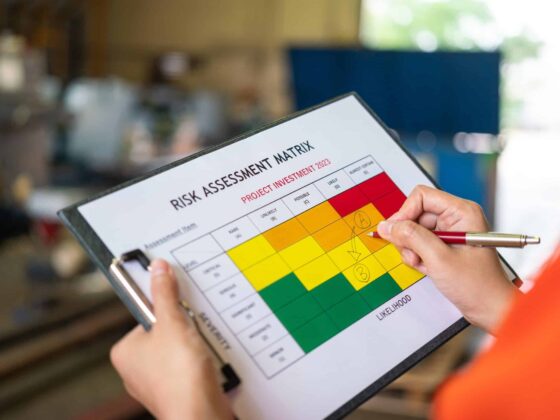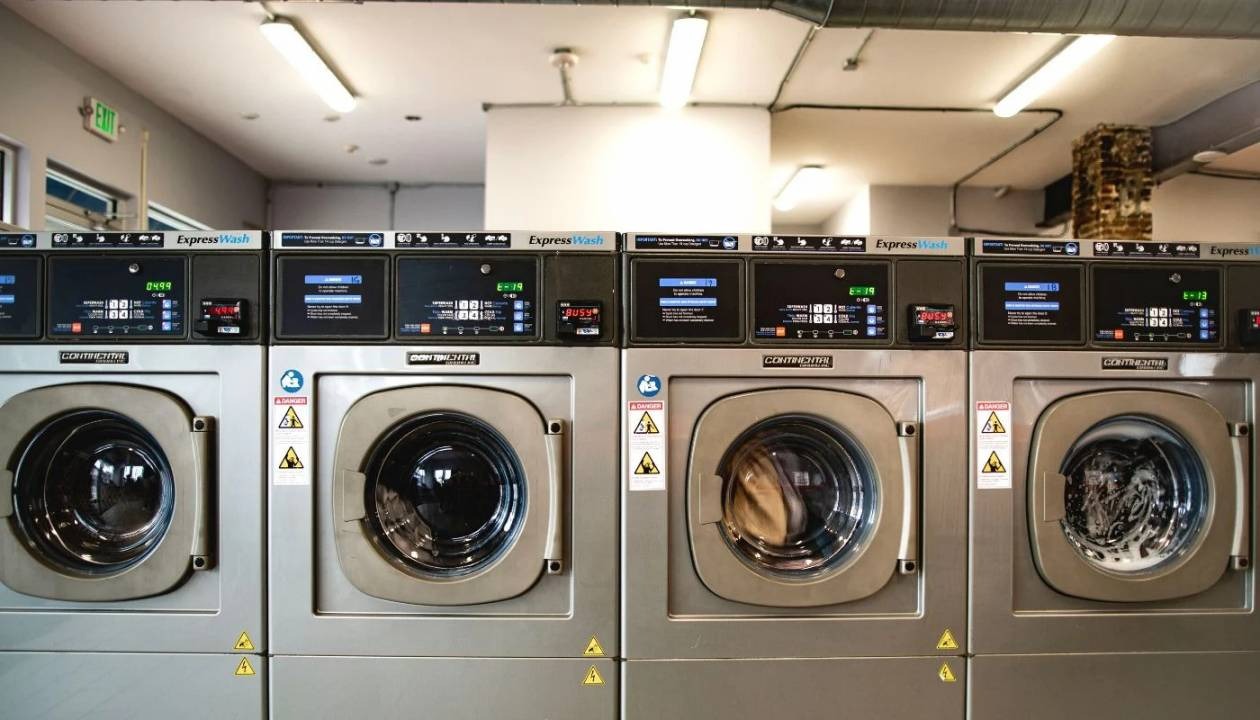
Setting up a coin operated laundry can be a profitable and stable business when it is planned correctly from the start. Success depends on choosing the right location, installing suitable equipment, and designing a layout that supports efficiency, durability, and customer comfort. This guide explains the core elements involved in launching a coin operated laundry, from early planning to final fit out decisions.
Planning your laundry business and site layout
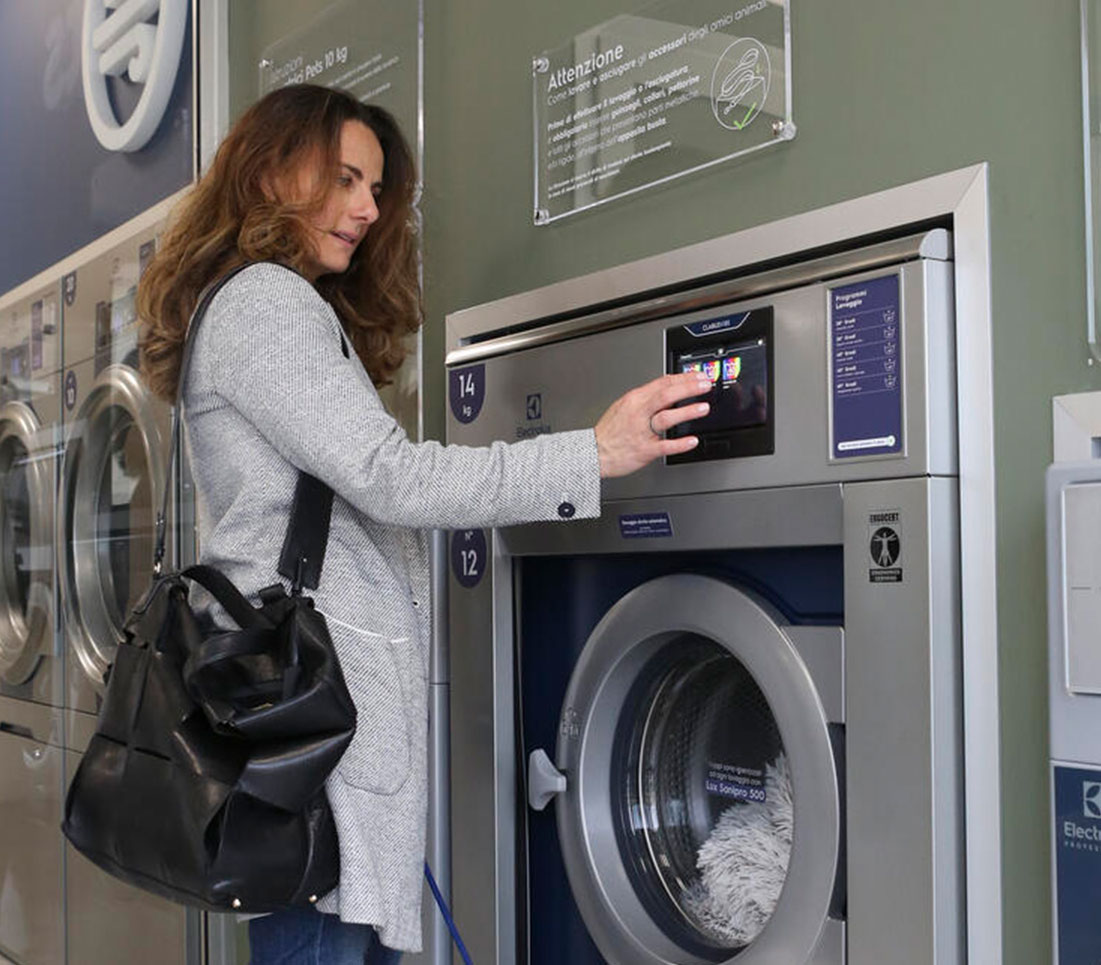
The first stage of a successful coin operated laundry is careful planning. This includes assessing demand in the local area, understanding customer habits, and selecting a site with strong visibility and easy access. Residential density, nearby apartments, student housing, and limited in home laundry options often indicate strong potential demand.
Space planning is equally important. The layout must allow for smooth customer flow, clear equipment spacing, and safe movement within the store. Adequate room for washers, dryers, folding areas, seating, and service access should be considered from the beginning. Plumbing, drainage, ventilation, and electrical capacity must also be assessed early to avoid costly changes later.
Many operators choose to work with a Laundry Equipment Company during the planning phase to ensure site requirements align with the technical needs of commercial machines. Early collaboration helps prevent layout issues and ensures compliance with local building and safety regulations.
Selecting the right coin operated laundry equipment

Equipment selection directly affects operating costs, customer satisfaction, and long term reliability. Commercial washers and dryers designed for coin or card operation are built for frequent use and high load turnover. Choosing the correct capacity mix is essential. Smaller machines suit quick loads, while larger units attract customers washing bedding, doonas, or bulk items.
Energy and water efficiency should be a priority. Modern commercial machines offer programmable cycles, high spin speeds, and efficient heating systems that reduce utility consumption while maintaining cleaning performance. These efficiencies directly impact profit margins over time.
Durability and service support are just as important as features. Machines should be sourced from reputable manufacturers with strong local support, readily available spare parts, and clear warranty coverage. Reliable equipment reduces downtime and builds customer trust, which is critical in unattended or semi attended laundry environments.
Fit out basics and operational readiness

The fit out phase brings the laundry to life and has a major impact on customer experience. Flooring should be non slip and water resistant, walls easy to clean, and lighting bright and consistent. Good ventilation is essential to manage heat and humidity generated by dryers and to keep the space comfortable.
Payment systems must be simple and reliable. Whether using traditional coin mechanisms, card systems, or app based payments, customers expect quick and clear operation. Clear signage explaining machine use, pricing, and store rules reduces confusion and staff intervention.
Security and monitoring should also be considered. Cameras, secure doors, and well lit interiors help protect equipment and provide reassurance to customers. Before opening, all machines should be tested, pricing set correctly, and maintenance procedures established to ensure smooth daily operation.
Conclusion
A successful coin operated laundry setup depends on thoughtful planning, smart equipment selection, and a practical fit out that supports both customers and operations. By focusing on location suitability, choosing reliable commercial machines, and creating a clean, efficient space, operators set the foundation for long term profitability. Working with experienced suppliers and planning each stage carefully helps turn a simple laundry concept into a dependable business asset.