Fire safety ratings play a critical role in how buildings are designed, approved, and constructed. In Australia, ratings such as BAL, FRL, and RISF are used to define how materials and building elements perform when exposed to fire. Understanding what these ratings mean and how they differ helps project teams make informed decisions that support compliance, safety, and long term asset performance.
BAL ratings and bushfire exposure requirements

BAL, or Bushfire Attack Level, is a rating used to measure the severity of a building’s potential exposure to bushfire. It is determined through a site assessment that considers factors such as vegetation type, distance from fire sources, slope, and climate conditions. The BAL rating directly influences construction requirements, including material selection, ember protection, and external wall systems.
Higher BAL ratings require more robust fire resistant solutions, particularly for external elements such as cladding, windows, roofs, and decks. The goal is to reduce the likelihood of ignition from embers, radiant heat, or direct flame contact. BAL compliance is mandatory in bushfire prone areas and is enforced through planning and building approval processes.
Understanding BAL early in a project is essential, as it affects cost, design flexibility, and material availability. Late changes to meet BAL requirements can result in redesigns or delays, making early assessment a critical step.
FRL and structural fire performance
FRL, or Fire Resistance Level, applies to building elements such as walls, floors, columns, and beams. It defines how long a component can maintain structural adequacy, integrity, and insulation when exposed to fire, usually expressed in minutes. For example, an FRL of 90 90 90 indicates that the element meets all three criteria for 90 minutes.
FRL ratings are particularly important in commercial, industrial, and multi residential buildings where fire separation and structural stability are essential for life safety and fire brigade intervention. These ratings are determined through standardised fire testing or assessment by qualified fire engineers.
While FRL focuses on how long a structure resists fire, it does not address how easily a surface ignites or how quickly fire spreads across it. This is where additional ratings such as RISF become relevant.
RISF and early fire spread control
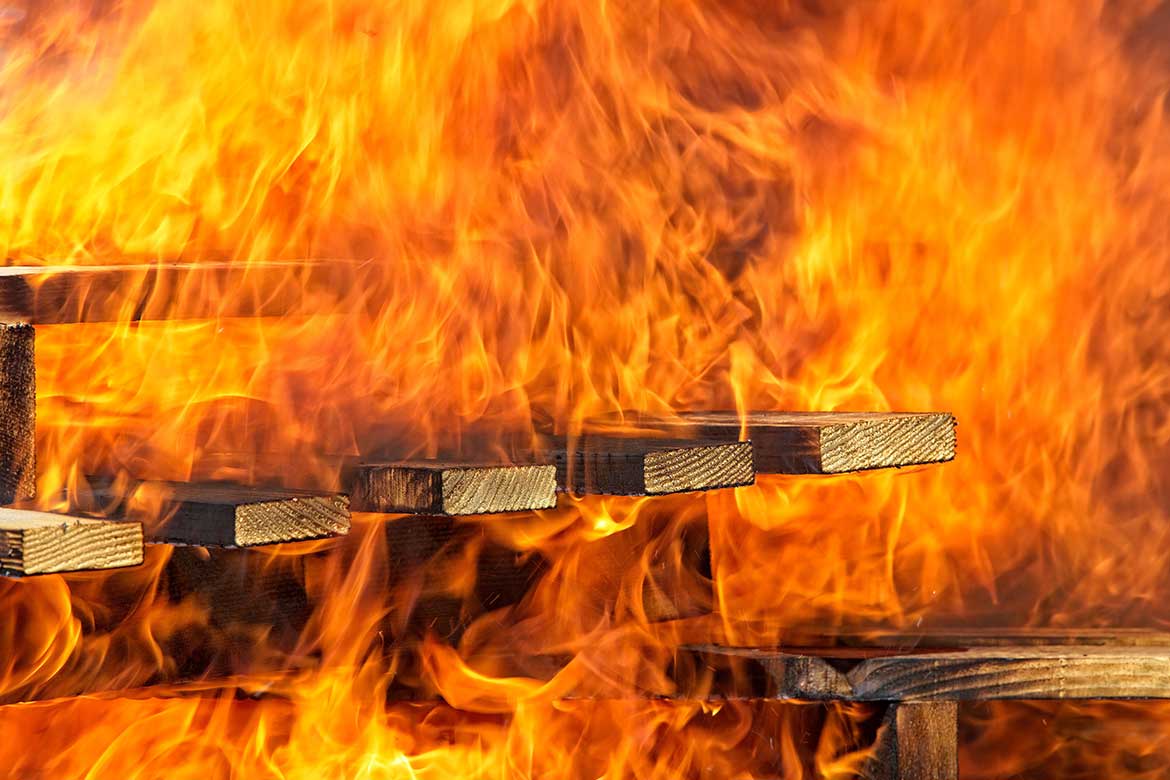
RISF, or Resistance to Incipient Spread of Fire (RISF)(click here), measures how resistant a material or system is to the early stages of fire growth. Unlike FRL, which looks at performance over time under full fire exposure, RISF focuses on ignition resistance and limiting the initial spread of fire across a surface.
This rating is particularly relevant for wall linings, ceilings, and façade systems where early fire control can significantly influence overall fire development. Materials with strong RISF performance help delay ignition, reduce flame spread, and provide additional time for detection and response.
RISF is increasingly referenced in performance based fire engineering and in projects where combustible materials are used in innovative ways. Understanding this rating allows designers to demonstrate improved fire safety outcomes beyond minimum prescriptive requirements.
Conclusion
BAL, FRL, and RISF each address different aspects of fire safety and should be understood together rather than in isolation. BAL focuses on external bushfire exposure, FRL measures structural fire resistance over time, and RISF addresses early fire spread behaviour. By understanding how these ratings interact, project teams can make informed material and design choices that support compliance, enhance safety, and deliver more resilient buildings.