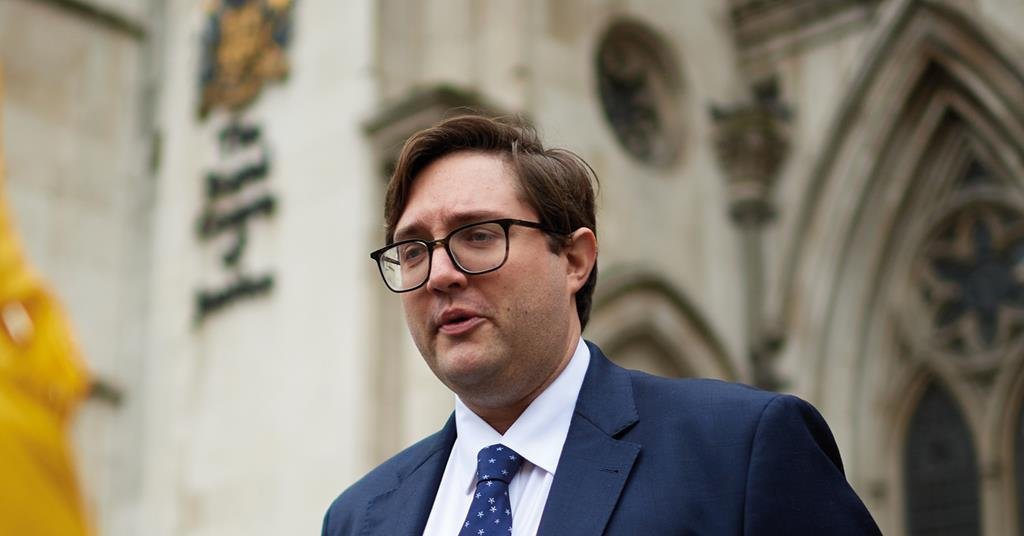
Tom Goodhead has claimed that his removal from the leadership of Pogust Goodhead was the result of a boardroom coup rather than concerns over governance or spending allegations. The dispute has quickly become one of the most talked-about controversies in the legal industry, drawing attention to internal tensions, leadership battles, and questions surrounding the future direction of the firm.
Pogust Goodhead, known for handling large international litigation cases, now faces growing scrutiny as the public disagreement between senior figures continues to unfold. The situation has also raised concerns about how internal conflicts can affect stability inside a high-profile law firm.
Goodhead Describes Leadership Removal As A Coup

Tom Goodhead has reportedly argued that his removal was politically motivated and driven by internal power struggles within the company. According to his position, the leadership changes were not simply about governance concerns but reflected a deeper Fall out with partner figures and senior decision makers inside the business.
Boardroom conflicts are not unusual in rapidly growing companies, especially when strong personalities and major financial decisions are involved. However, when disputes become public, they can create serious reputational damage and increase uncertainty among employees, clients, and investors.
Goodhead’s claims have added another layer to the controversy because they shift attention away from spending allegations and toward questions about internal relationships and corporate control. This has made the dispute appear more complex than a standard governance issue.
Internal Conflict Creates Pressure On The Firm

The public disagreement between leadership figures may place additional pressure on Pogust Goodhead as it attempts to protect its reputation. Law firms involved in large international claims depend heavily on stability, trust, and professional credibility.
Clients and partners often expect clear leadership structures and strong internal governance. When senior figures openly challenge one another, concerns can grow about whether the organisation is fully focused on its legal work and long-term strategy.
The firm may now face increased pressure to reassure stakeholders that ongoing litigation and client interests will not be affected by the leadership dispute. Transparent communication and stronger governance procedures could become important tools for restoring confidence.
Reputation And Governance Remain Central Issues

Although the boardroom conflict has become a major part of the story, questions about governance and financial oversight still remain central to the controversy. The combination of leadership disputes and spending allegations has intensified public attention on how the firm operates internally.
For a business with an international legal profile, reputation is one of its most valuable assets. Any perception of instability can influence future partnerships, funding relationships, recruitment efforts, and public trust.
At the same time, the crisis may offer an opportunity for organisational reform. Many companies facing internal disputes eventually respond by strengthening oversight, improving transparency, and restructuring leadership responsibilities in order to rebuild confidence.
Conclusion
Tom Goodhead’s claim that he was removed through a boardroom coup has deepened the controversy surrounding Pogust Goodhead. The dispute now involves not only allegations about spending and governance but also accusations of internal power struggles and leadership conflict. As the situation develops, the firm’s ability to restore stability, maintain trust, and reassure stakeholders will likely determine how successfully it moves beyond the crisis.